Africa
Kenya
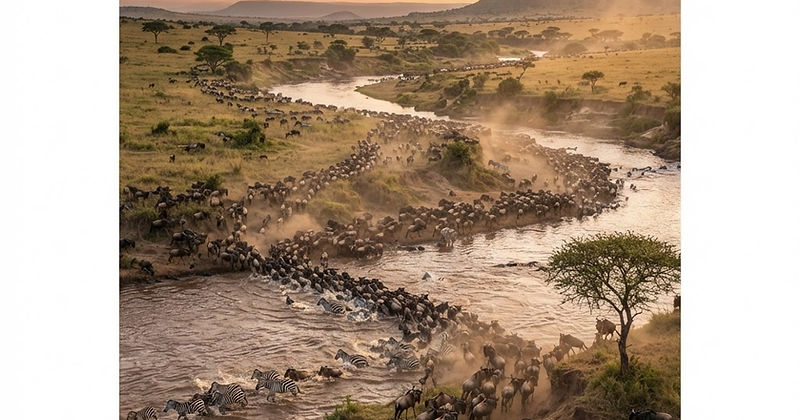
The Maasai Mara and the great wildebeest migration
Kenya is the home of the classic African safari — the Maasai Mara, Mount Kenya, and the Indian Ocean coast.
Overview
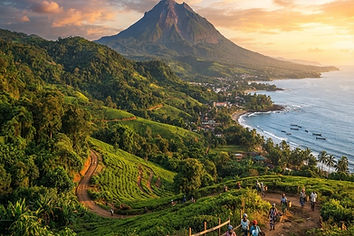
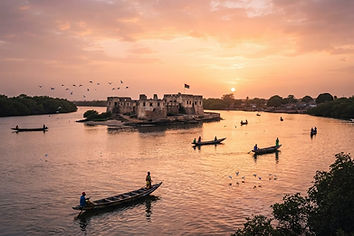
Kenya's savannas host the world's most famous wildlife spectacle, the great migration. Beyond the parks, Lamu's Swahili coast and Mount Kenya add depth.
Why visit
Kenya offers the definitive African safari experience, where the spectacle of the great wildebeest migration unfolds across the vast plains of the Maasai Mara. Beyond the savannah, the country boasts dramatic volcanic landscapes like Mount Kenya and the pristine, turquoise waters of Diani Beach. It is a rare destination where you can witness the Big Five in the morning and relax on an Indian Ocean sandbar by sunset.
Best time to travel
July–October for the migration in the Mara. January–March and July–October are dry and best for wildlife generally.
Major attractions
Maasai Mara, Amboseli with Kilimanjaro views, Lake Nakuru, Mount Kenya, and the beaches of Diani and Lamu.
Local transportation
Domestic flights (safari flights) connect parks. Roads are rough in places — a 4x4 with driver is standard for safaris.
Food & culture
Kenyan cuisine is centered around hearty staples like ugali, a maize flour porridge typically eaten by hand with sukuma wiki, stewed greens, and nyama choma, the popular charcoal-grilled meat. Dining is communal and social, emphasizing fresh, locally sourced ingredients and rich flavors. When eating in traditional settings, always use your right hand, as it is considered the customary practice for meals.
Sample budget
Budget: $50–80/day (park entry adds up). Mid-range safaris $200–400/day. Luxury lodges $500+/day.
Safety & practical tips
Safaris are safe with guides. In Nairobi, keep valuables secure and avoid walking at night. Take malaria prophylaxis.