Asia
Pakistan
Discover the rugged majesty of ancient frontiers
Pakistan invites adventurous travelers to explore a land of staggering mountain peaks and deeply rooted cultural traditions. Experience the warmth of unparalleled hospitality amidst some of the world's most dramatic natural landscapes.
Overview
Spanning from the high-altitude deserts of the north to the vibrant shores of the Arabian Sea, Pakistan offers a diverse geographic tapestry. It is home to the world's second-highest peak, K2, and a rich historical legacy shaped by the Indus Valley Civilization and Mughal emperors. Travelers will encounter a country defined by rugged mountain ranges, lush valleys, and bustling historic urban centers. This is a destination for those seeking off-the-beaten-path exploration and authentic cultural connection.
Why visit
Visit for the rare opportunity to traverse the Karakoram Highway, which winds through some of the planet’s most dramatic alpine scenery. The country provides an immersive look at ancient history through sites like Taxila and the vibrant, spice-filled bazaars of Lahore. You will find that the profound hospitality of the local people creates a travel experience unlike any other.
Best time to travel
The best time to visit the northern mountainous regions is from May to September when the high passes are accessible. For the southern plains and major cities, plan your trip between October and March to enjoy mild, comfortable weather.
Major attractions
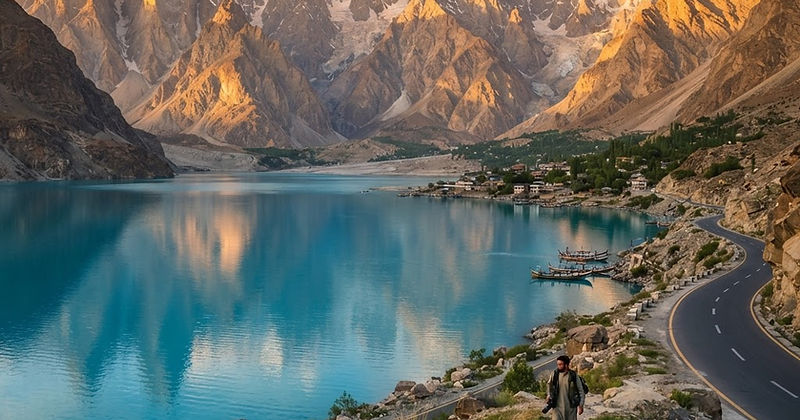
Hunza Valley — A serene, breathtaking highland landscape surrounded by towering mountain peaks. Badshahi Mosque — A grand architectural masterpiece representing the pinnacle of Mughal craftsmanship in Lahore. Fairy Meadows — A tranquil alpine meadow offering iconic, direct views of the massive Nanga Parbat. Shandur Top — The high-altitude pass famous for hosting the world's highest traditional polo tournament. Rohtas Fort — An imposing and remarkably preserved 16th-century fortress complex of immense historical importance.
Local transportation
Domestic travel is facilitated by an extensive network of intercity buses, trains, and frequent internal flights between major hubs. For flexible exploration in mountainous northern regions, hiring a private vehicle with a local driver is recommended. Ridesharing apps are highly efficient and reliable for navigating urban centers like Islamabad and Lahore.
Food & culture
Pakistani cuisine is celebrated for its aromatic spices, rich curries, and succulent grilled meats known as tikka or kebab. Meals are typically shared communal affairs, often featuring freshly baked naan and fragrant biryani. Always eat with your right hand, as using the left hand is culturally considered inappropriate.
Sample budget
Budget travelers can expect to spend around $30 to $50 per day for guesthouses and local meals. Mid-range travelers should budget between $80 and $120 per day to secure comfortable hotels and private transport services.
Safety & practical tips
Dress modestly by covering shoulders and knees to show respect for local traditions and religious sensitivities. Always register your travel plans with local authorities when visiting remote northern border regions. Exercise normal caution in major cities and keep updated on local travel advisories before departing.