Africa
Tanzania
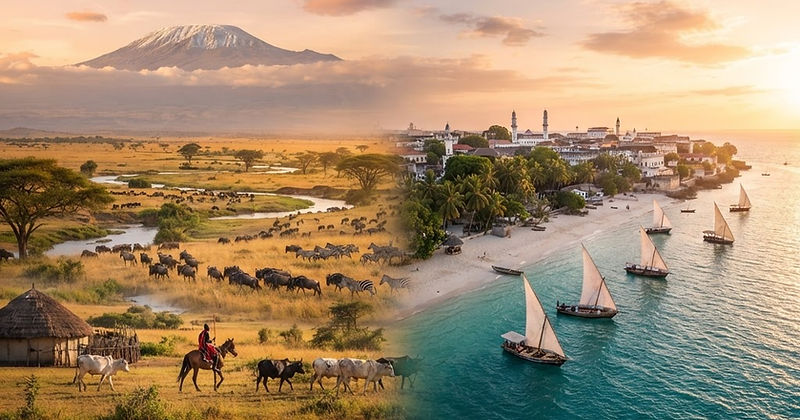
The Serengeti, Kilimanjaro, and Zanzibar
Tanzania holds the Serengeti's great migration, Kilimanjaro, and Zanzibar's spice-island beaches.
Overview
The classic safari country — endless plains, the Ngorongoro crater's wildlife bowl, Africa's highest peak, and a Zanzibar finale on white sand.
Why visit
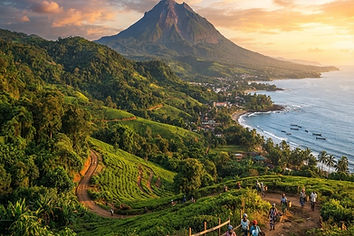
Tanzania offers the rare opportunity to witness the world's greatest wildlife spectacle, the Great Migration, alongside the climbable majesty of Mount Kilimanjaro. From the prehistoric caldera of the Ngorongoro Crater to the pristine turquoise shores of Zanzibar, the country provides a perfect blend of high-octane adventure and idyllic island relaxation.
Best time to travel
June–October for dry-season safaris; late June–July for the Mara River crossing. Zanzibar is good June–October and December–February.
Major attractions
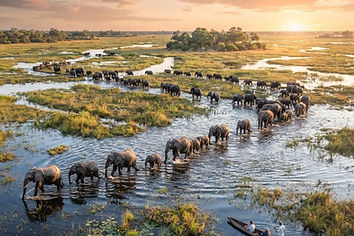
Serengeti migrations, Ngorongoro Crater, Mount Kilimanjaro, Zanzibar's Stone Town and beaches, and Tarangire's elephants.
Local transportation
Safari operators handle park logistics; small flights (Coastal Aviation) connect the north to Zanzibar.
Food & culture
Tanzanian cuisine is a vibrant fusion of African, Indian, and Arabic influences, headlined by staple dishes like ugali, nyama choma, and flavorful Zanzibar pilau. Dining is typically communal and hands-on, and it is considered polite to use your right hand exclusively when eating or passing food.
Sample budget
Budget: $50–80/day. Mid-range safaris: $250–500/day. Kilimanjaro climbs from $1,800 — budget separately.
Safety & practical tips
Safari areas are safe with guides. Take malaria prophylaxis. On Kilimanjaro, use reputable operators — altitude safety matters.